Early Symptoms of Liver Disease: When to Consult a Hepatologist in Kochi
The liver plays a crucial role in maintaining overall health. It helps filter toxins from the blood, supports digestion, regulates metabolism, and stores essential nutrients. When the liver begins to develop problems, the body often shows warning signs. Recognizing the early symptoms of liver disease and consulting a hepatologist in Kochi at the right time can help prevent serious complications and long-term liver damage.
Many liver conditions develop slowly, which means symptoms may appear mild or unnoticed during the early stages. However, paying attention to subtle changes in your body can help identify liver issues early and allow timely medical intervention.
Why Early Detection of Liver Disease Is Important
Liver disease is becoming increasingly common due to lifestyle changes, unhealthy diets, obesity, and alcohol consumption. Conditions such as fatty liver disease, hepatitis, and liver inflammation may progress silently without obvious symptoms.
Early detection offers several advantages:
-
Prevents permanent liver damage
-
Allows early treatment and lifestyle correction
-
Improves long-term liver health
-
Reduces the risk of complications such as cirrhosis
-
Helps maintain overall metabolic balance
Seeking timely advice from a liver specialist ensures that potential problems are diagnosed and managed before they become severe.
Common Early Symptoms of Liver Disease
Although symptoms vary depending on the type of liver condition, several early warning signs are frequently observed.
Persistent Fatigue and Weakness
Fatigue is one of the most common early symptoms of liver disease. When the liver struggles to remove toxins from the bloodstream, the body may experience ongoing tiredness and reduced energy levels.
Individuals may notice:
-
Constant exhaustion even after rest
-
Difficulty concentrating
-
Reduced physical stamina
If fatigue continues for weeks without a clear reason, it may indicate underlying liver dysfunction.
Loss of Appetite
Another early sign of liver problems is a noticeable loss of appetite. Many people feel full quickly or develop a general lack of interest in food.
This can lead to:
-
Sudden or unexplained weight loss
-
Nutritional deficiencies
-
Digestive discomfort
Changes in appetite should be evaluated if they persist for an extended period.
Nausea and Digestive Problems
The liver is closely connected to the digestive system. When liver function declines, digestive symptoms may appear.
Common digestive signs include:
-
Frequent nausea
-
Bloating after meals
-
Indigestion
-
Occasional vomiting
These symptoms are often mistaken for common gastrointestinal problems, but persistent digestive discomfort may signal liver-related issues.
Mild Pain in the Upper Right Abdomen
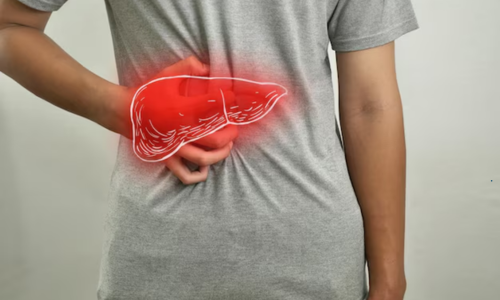
The liver is located in the upper right section of the abdomen. Inflammation or swelling in the liver can cause discomfort in this area.
People may experience:
-
A dull ache below the ribs
-
Pressure in the upper abdomen
-
Tenderness when touching the area
This type of discomfort should be evaluated by a liver doctor to determine the underlying cause.
Yellowing of Skin and Eyes (Jaundice)
Jaundice is a well-known symptom of liver disease. It occurs when the liver cannot properly process bilirubin, leading to a yellowish tint in the skin and eyes.
Additional signs may include:
-
Dark-colored urine
-
Pale stools
-
Persistent itching
Jaundice requires prompt medical evaluation because it often indicates significant liver dysfunction.
Abdominal Swelling
Liver disease can sometimes cause fluid accumulation in the abdomen, a condition known as ascites.
Symptoms may include:
-
Swelling or enlargement of the abdomen
-
Tightness or pressure in the stomach area
-
Difficulty bending or moving comfortably
Early medical attention can help control fluid buildup and prevent complications.
Skin Changes and Itching
Certain liver conditions can affect the skin. Persistent itching without a visible rash is sometimes associated with liver disease.
Other possible skin changes include:
-
Redness of the palms
-
Small spider-like blood vessels on the skin
-
Dry and irritated skin
These symptoms occur due to the buildup of certain substances in the bloodstream when the liver is not functioning properly.
Major Risk Factors for Liver Disease
Several factors increase the likelihood of developing liver problems.
Important risk factors include:
-
Excessive alcohol consumption
-
Obesity and fatty liver disease
-
Viral hepatitis infections
-
Diabetes and metabolic disorders
-
High cholesterol levels
-
Long-term use of certain medications
-
Poor diet and sedentary lifestyle
People with these risk factors should undergo regular liver health screenings.
When Should You Consult a Hepatologist?
Many people ignore early symptoms until the condition becomes severe. However, timely consultation with a liver specialist can prevent complications.
You should consider visiting a hepatologist in Kochi if you experience:
-
Persistent fatigue or weakness
-
Frequent digestive issues
-
Yellowing of skin or eyes
-
Swelling in the abdomen or legs
-
Unexplained weight loss
-
Abnormal liver test results
A hepatologist specializes in diagnosing and managing liver-related diseases and can provide personalized treatment plans.
How Liver Disease Is Diagnosed
When liver disease is suspected, doctors may recommend several diagnostic tests to evaluate liver function and structure.
Blood Tests
Blood tests measure liver enzymes and other markers that indicate liver inflammation or damage.
Ultrasound Scan
An ultrasound helps visualize the liver and detect structural changes such as fatty deposits or swelling.
Fibrosis Assessment
Specialized tests evaluate liver stiffness and identify early signs of scarring.
Liver Biopsy
In some cases, a small sample of liver tissue is collected to confirm the diagnosis.
These diagnostic methods help determine the severity of liver disease and guide treatment decisions.
Treatment Options for Liver Disease
Treatment depends on the type and stage of the liver condition.
Lifestyle Modifications
Lifestyle changes play a crucial role in improving liver health.
Recommended steps include:
-
Maintaining a balanced diet
-
Exercising regularly
-
Avoiding alcohol consumption
-
Managing body weight
These changes can significantly improve conditions such as fatty liver disease.
Medications
Doctors may prescribe medications to treat infections, control inflammation, or manage metabolic conditions affecting the liver.
Advanced Medical Care
In advanced cases, specialized treatments or evaluation for liver transplantation may be required.
Early diagnosis and proper management greatly improve treatment outcomes.
Tips to Maintain a Healthy Liver
Preventive care is essential for protecting liver health.
Here are some practical tips:
-
Follow a healthy and balanced diet
-
Limit alcohol intake
-
Stay physically active
-
Maintain a healthy body weight
-
Avoid unnecessary medications
-
Get vaccinated against hepatitis
-
Schedule regular health checkups
Adopting these habits helps support liver function and reduce the risk of serious disease.
Conclusion
Liver disease often develops silently, and early symptoms can be easy to ignore. However, paying attention to warning signs such as fatigue, digestive issues, appetite loss, and abdominal discomfort can help detect problems early.
Recognizing the early symptoms of liver disease and consulting a hepatologist in Kochi at the right time allows for proper diagnosis, effective treatment, and better long-term liver health. Early medical care can prevent complications and help maintain overall wellbeing.
FAQ
What are the earliest symptoms of liver disease?
Early symptoms include fatigue, nausea, loss of appetite, mild abdominal pain, digestive problems, and unexplained weight loss.
When should I consult a hepatologist in Kochi?
You should consult a hepatologist if you experience persistent fatigue, jaundice, abdominal swelling, digestive issues, or abnormal liver test results.
Can liver disease be cured if detected early?
Many liver conditions can be effectively managed or reversed if diagnosed early and treated with proper lifestyle changes and medical care.
What tests are used to diagnose liver disease?
Doctors commonly use blood tests, ultrasound scans, fibrosis tests, and sometimes liver biopsy to evaluate liver health.
How can I keep my liver healthy?
Maintaining a balanced diet, limiting alcohol consumption, staying active, managing weight, and scheduling regular health checkups can help protect liver health.