
Advancing MASLD Care: Insights from the Gut–Liver–Endocrine Axis CME
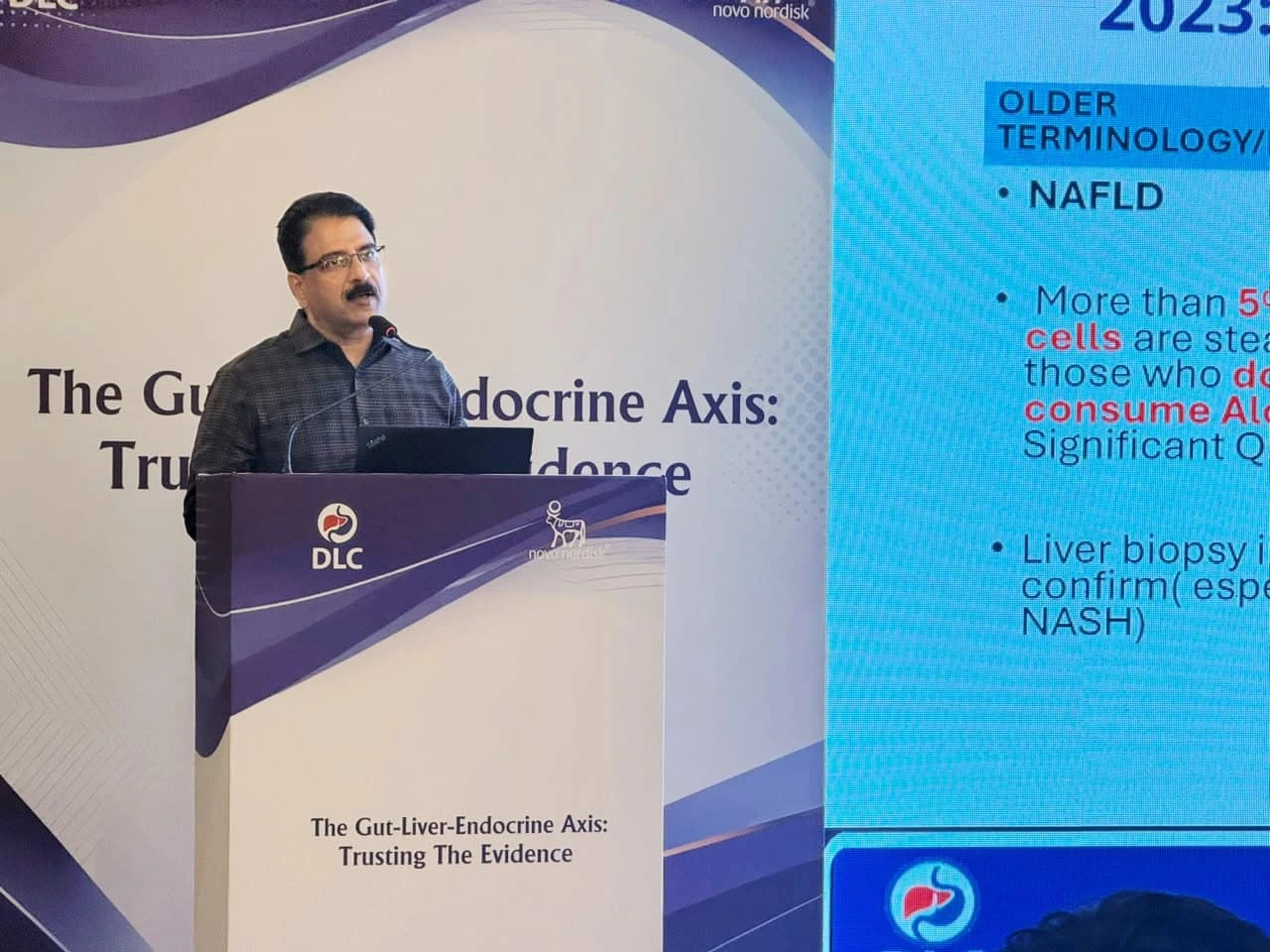
Digestive & Liver Care (DLC) successfully conducted a Continuing Medical Education (CME) program on “Gut–Liver–Endocrine Axis: Trusting the Evidence.”
The CME was well attended and highly interactive, bringing together multidisciplinary clinicians for an evidence-based discussion on the rapidly evolving management of metabolic dysfunction-associated steatotic liver disease (MASLD).
A major focus of the meeting was the emerging role of semaglutide and other incretin-based therapies in the management of MASLD, with discussions centered on the latest scientific evidence, patient selection, clinical benefits, and practical application in everyday practice.
We sincerely thank the distinguished faculty, all the delegates and Novo Nordisk for their enthusiastic participation, thoughtful discussions, and commitment to advancing evidence-based care.
What this means for patients
In 2023, international liver societies renamed non-alcoholic fatty liver disease (NAFLD) as metabolic dysfunction-associated steatotic liver disease (MASLD). The new name reflects that this condition is driven mainly by metabolic problems such as excess weight, insulin resistance, type 2 diabetes, high blood pressure and abnormal cholesterol.
The gut–liver axis describes the close link between the intestine and the liver: blood from the gut flows straight to the liver through the portal vein, carrying nutrients and products of gut bacteria. Changes in the gut lining and gut bacteria may add to liver inflammation. The endocrine side covers hormones such as insulin, which is why diabetes and fatty liver so often occur together.
For patients, this means MASLD care often works best as a team effort between the hepatologist, diabetologist or endocrinologist, dietitian and, where needed, cardiologist. Heart disease is a leading cause of illness in people with MASLD. Newer incretin-based medicines (such as GLP-1 receptor agonists) help with appetite, blood sugar and weight, and evidence for their benefit in the liver is growing. Treatment is decided individually after assessing the liver.