A Meaningful Day Celebrating Life After Liver Transplantation
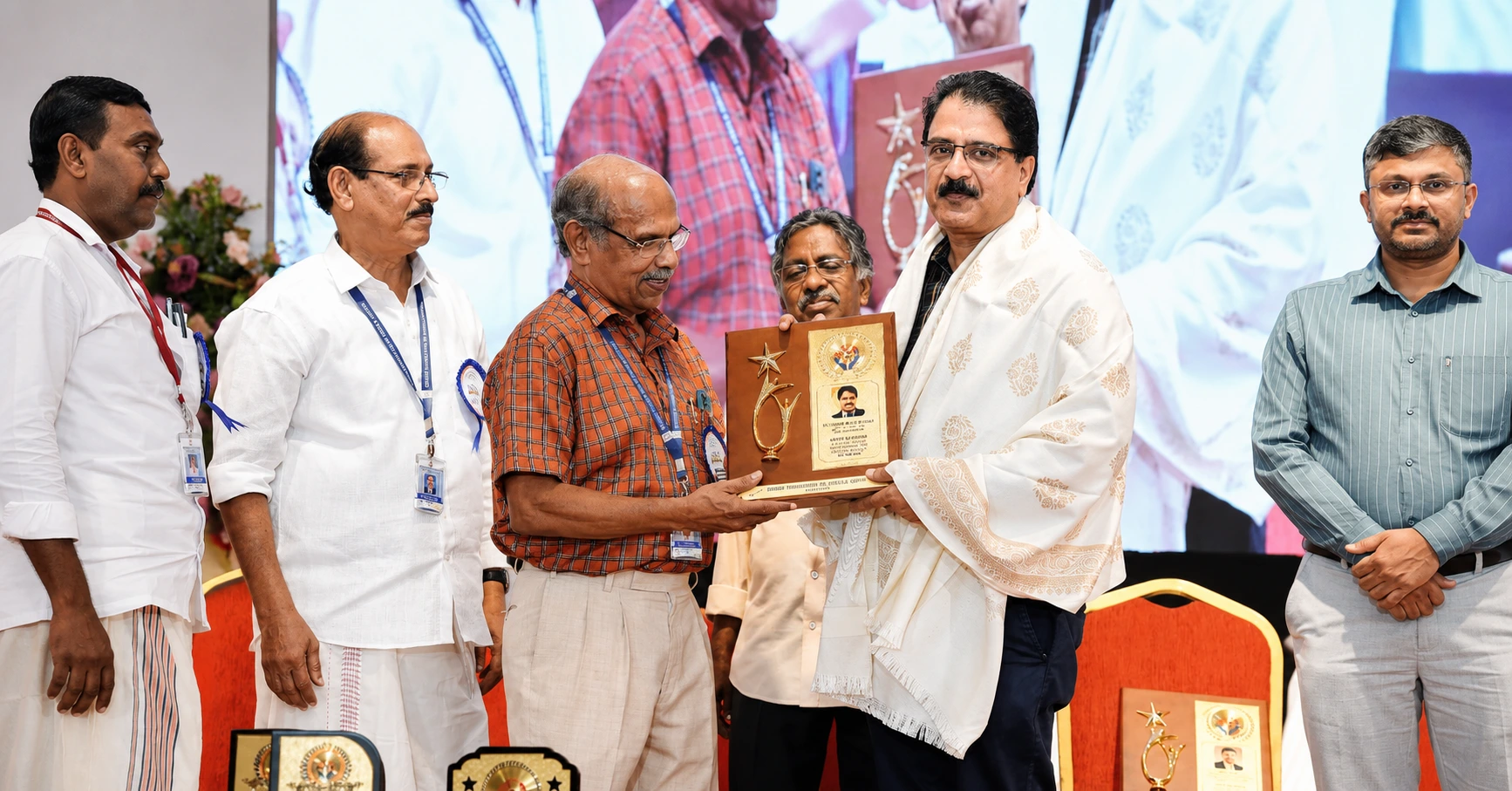
It was a privilege to attend the Annual Meeting of the Organ Foundation of Kerala held in Thiruvananthapuram today.
The meeting was inaugurated by the Hon’ble Health Minister, K. Muralidharan.
One of the most heartwarming moments was reconnecting with many liver transplant recipients and living donors whom I had the privilege of treating personally during my tenure at Amrita Institute of Medical Sciences. Seeing them leading healthy, fulfilling lives was deeply gratifying and reaffirmed the true purpose of transplant medicine.
I was also honoured to conduct an interactive session on “Life After Liver Transplantation,” discussing long-term health, lifestyle, preventive care, and the importance of lifelong follow-up.
Such gatherings celebrate not only the success of organ transplantation but also the extraordinary generosity of donors and the resilience of recipients. They serve as a reminder that every organ donation has the power to transform—and save—lives.
Life after a liver transplant: key points for recipients
A successful liver transplant gives most recipients many years of good health, but it needs lifelong care. The main points discussed with patients and families:
- Take anti-rejection medicines exactly as prescribed. Never stop or change the dose without talking to the transplant team.
- Keep up regular blood tests. These check drug levels, liver and kidney function, blood sugar and cholesterol.
- Prevent infection. Hand hygiene, safe food and water, and recommended vaccinations matter. Live vaccines are generally avoided unless the team advises otherwise.
- Look after your heart and kidneys. Weight gain, diabetes, high blood pressure and kidney problems are common in the long term and need regular checks.
- No alcohol and no tobacco.
- Protect your skin. Anti-rejection medicines increase the risk of skin cancer, so use sun protection and report new or changing skin spots.
- Report warning signs early. Fever, yellowing of the eyes, dark urine, abdominal pain or reduced urine output should be reported promptly.
Living donors also benefit from long-term follow-up to keep a check on their own health.