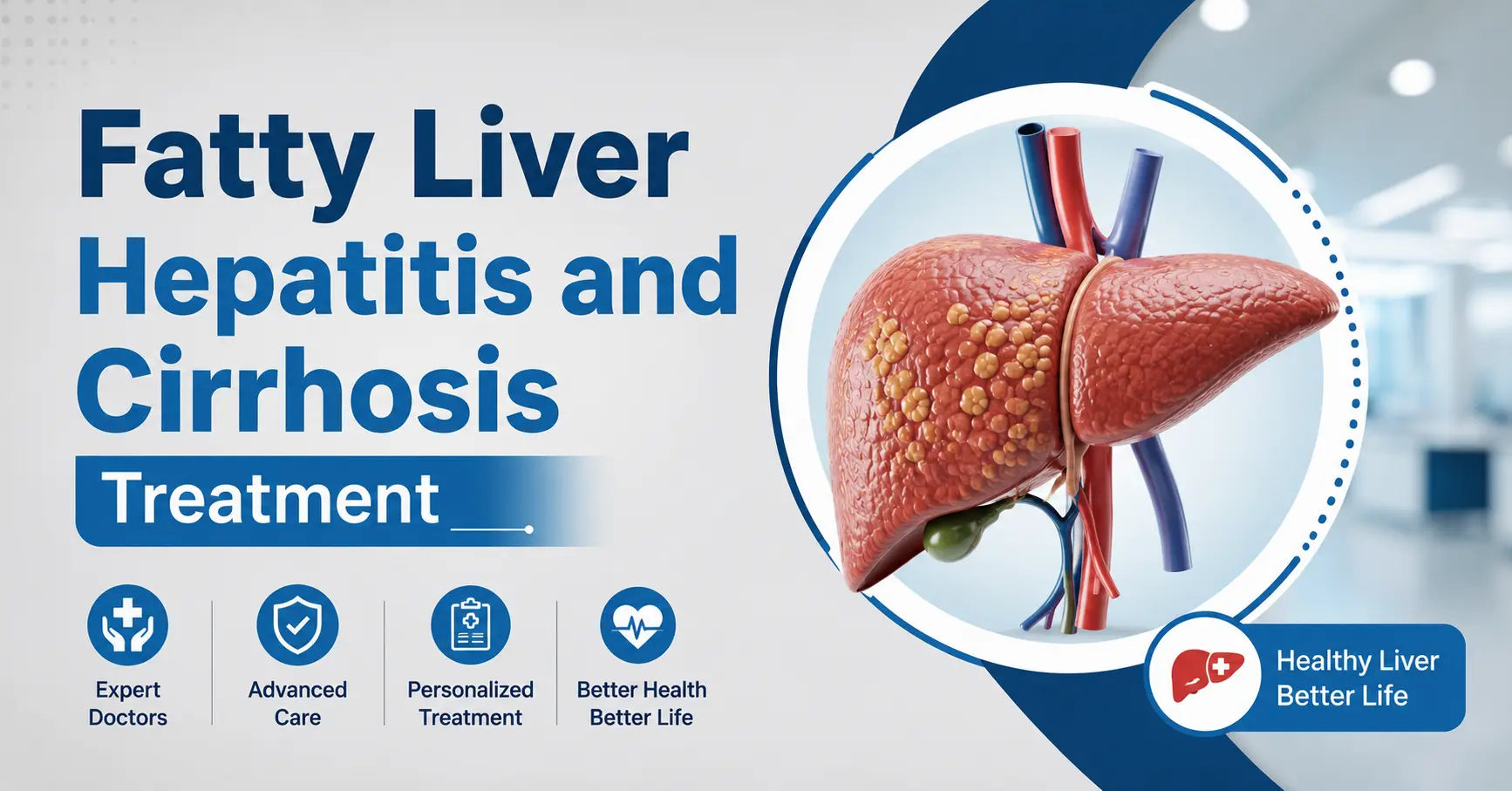
Liver Specialist in Kochi for Fatty Liver Hepatitis and Cirrhosis Treatment
A Liver Specialist in Kochi plays a crucial role in diagnosing, treating, and managing liver diseases such as fatty liver disease, hepatitis, and cirrhosis. The liver is one of the most important organs in the body, responsible for detoxification, digestion, metabolism, and nutrient storage. When liver function becomes impaired, it can affect overall health and lead to serious complications if left untreated. Patients seeking specialized liver care can benefit from consulting Dr. Harikumar R. Nair, who provides comprehensive evaluation and treatment for a wide range of liver disorders. Early diagnosis and timely intervention are essential for preserving liver function and improving long-term health outcomes.
Why Consult Dr. Harikumar R. Nair for Liver Disease Management?
Liver diseases often develop silently and may not show noticeable symptoms until significant damage has occurred. Seeking specialized hepatology care allows for early detection and appropriate management.
Dr. Harikumar R. Nair provides evaluation and management for:
- Fatty liver disease
- Viral hepatitis
- Liver cirrhosis
- Alcohol-related liver disease
- Autoimmune liver disorders
- Liver fibrosis
- Advanced liver disease
- Liver transplant evaluation and follow-up
With a patient-focused approach, comprehensive investigations, and evidence-based treatment strategies, individuals receive care tailored to their specific liver condition.
What Does a Liver Specialist Do?
A liver specialist, also known as a hepatologist, focuses on diagnosing and treating diseases affecting the liver, gallbladder, bile ducts, and pancreas. Hepatology is a specialized branch of gastroenterology that addresses a broad spectrum of liver-related conditions.
Common conditions treated by a liver specialist include:
- Fatty liver disease
- Hepatitis A, B, C, D, and E
- Alcohol-related liver disease
- Liver cirrhosis
- Liver fibrosis
- Autoimmune hepatitis
- Drug-induced liver injury
- Liver tumors and cysts
- Liver failure
The goal of hepatology care is not only to treat disease but also to prevent progression and improve overall liver health.
Understanding Fatty Liver Disease
Fatty liver disease is one of the most common liver conditions worldwide. It occurs when excess fat accumulates in liver cells. While early stages may not cause significant problems, untreated fatty liver disease can progress to inflammation, fibrosis, and cirrhosis.
Types of Fatty Liver Disease
Non-Alcoholic Fatty Liver Disease (NAFLD)
NAFLD develops in individuals who consume little or no alcohol and is often associated with metabolic health conditions.
Common risk factors include:
- Obesity
- Type 2 diabetes
- High cholesterol
- Insulin resistance
- Metabolic syndrome
Non-Alcoholic Steatohepatitis (NASH)
NASH is an advanced form of fatty liver disease characterized by liver inflammation and damage. It carries a higher risk of fibrosis and cirrhosis.
Alcohol-Related Fatty Liver Disease
Excessive alcohol consumption can cause fat accumulation within the liver, leading to inflammation and progressive liver damage.
Symptoms of Fatty Liver Disease
Many patients remain symptom-free during the early stages. As the disease progresses, symptoms may include:
- Fatigue
- Weakness
- Mild abdominal discomfort
- Feeling of fullness in the upper abdomen
- Difficulty concentrating
- Unexplained weight changes
Diagnosis of Fatty Liver Disease
Diagnosis may involve:
- Medical history assessment
- Physical examination
- Liver function tests
- Ultrasound examination
- FibroScan
- CT scan or MRI
- Liver biopsy in selected cases
Treatment for Fatty Liver Disease
Treatment focuses on reducing liver fat and preventing progression.
Recommended measures include:
- Weight management
- Regular exercise
- Healthy eating habits
- Blood sugar control
- Cholesterol management
- Avoiding alcohol
- Routine liver monitoring
Early intervention can significantly improve liver health and reduce the risk of complications.
Hepatitis and Its Impact on Liver Health
Hepatitis refers to inflammation of the liver. It can result from viral infections, autoimmune disorders, toxins, medications, or alcohol-related damage.
Types of Hepatitis
Hepatitis A
Usually spreads through contaminated food or water and generally resolves without long-term liver damage.
Hepatitis B
A viral infection that can become chronic and increase the risk of cirrhosis and liver cancer.
Hepatitis C
A blood-borne viral infection that may lead to chronic liver disease if left untreated.
Hepatitis D
Occurs only in individuals who already have hepatitis B infection.
Hepatitis E
Typically spreads through contaminated water and usually resolves on its own.
Symptoms of Hepatitis
Common symptoms include:
- Fatigue
- Fever
- Loss of appetite
- Nausea
- Vomiting
- Abdominal pain
- Dark urine
- Jaundice
- Joint pain
How Hepatitis Is Diagnosed
Evaluation may include:
- Blood investigations
- Viral marker testing
- Liver function tests
- Ultrasound imaging
- FibroScan assessment
- Liver biopsy when necessary
Hepatitis Treatment Options
Treatment depends on the specific type and severity of hepatitis.
Management may include:
- Antiviral medications
- Regular monitoring
- Lifestyle modifications
- Nutritional support
- Vaccination for prevention
Early diagnosis can help prevent long-term liver damage and improve treatment outcomes.
Understanding Liver Cirrhosis
Cirrhosis is an advanced liver condition in which healthy liver tissue is gradually replaced by scar tissue. As scarring progresses, liver function becomes increasingly compromised.
Common Causes of Cirrhosis
Several liver disorders can lead to cirrhosis, including:
- Chronic hepatitis B
- Chronic hepatitis C
- Fatty liver disease
- Excessive alcohol consumption
- Autoimmune hepatitis
- Genetic liver disorders
- Chronic bile duct diseases
Symptoms of Cirrhosis
In the early stages, cirrhosis may not produce obvious symptoms. As liver damage advances, patients may experience:
- Persistent fatigue
- Weight loss
- Jaundice
- Swelling of the abdomen
- Leg swelling
- Easy bruising
- Loss of appetite
- Mental confusion
Complications of Cirrhosis
Advanced cirrhosis may result in:
- Portal hypertension
- Ascites
- Variceal bleeding
- Hepatic encephalopathy
- Liver failure
- Increased risk of liver cancer
Diagnosis of Cirrhosis
A liver specialist may recommend:
- Clinical examination
- Blood investigations
- Liver function tests
- Ultrasound
- FibroScan
- CT scan
- MRI
- Endoscopy
- Liver biopsy when indicated
Treatment for Cirrhosis
Although cirrhosis-related scarring is often irreversible, treatment can help slow disease progression and manage complications.
Treatment options may include:
- Treating the underlying cause
- Medications
- Nutritional support
- Lifestyle modifications
- Monitoring for complications
- Liver transplant evaluation in advanced cases
Early Signs of Liver Disease You Should Not Ignore
Many liver diseases progress quietly. Recognizing warning signs can help facilitate earlier diagnosis and treatment.
Common symptoms include:
- Persistent fatigue
- Yellowing of the eyes or skin
- Abdominal pain
- Loss of appetite
- Nausea
- Dark urine
- Pale stools
- Unexplained weight loss
- Swelling of the abdomen
- Easy bruising
Anyone experiencing these symptoms should seek medical evaluation promptly.
Who Is at Higher Risk for Liver Disease?
Certain individuals are more likely to develop liver disorders.
Lifestyle Risk Factors
- Obesity
- Sedentary lifestyle
- Poor dietary habits
- Excessive alcohol consumption
Medical Risk Factors
- Type 2 diabetes
- High cholesterol
- Hypertension
- Metabolic syndrome
Infection-Related Risks
- Hepatitis B infection
- Hepatitis C infection
Additional Risk Factors
- Family history of liver disease
- Autoimmune conditions
- Long-term use of certain medications
- Exposure to toxins
Individuals with these risk factors may benefit from periodic liver health assessments.
How to Protect Your Liver
Maintaining liver health requires consistent lifestyle choices and preventive care.
Follow a Healthy Diet
Include:
- Fresh fruits
- Vegetables
- Whole grains
- Lean proteins
- Healthy fats
Limit:
- Processed foods
- Sugary beverages
- Excess saturated fats
Stay Physically Active
Regular exercise can:
- Help maintain a healthy weight
- Improve insulin sensitivity
- Reduce liver fat accumulation
Avoid Excessive Alcohol Consumption
Reducing alcohol intake helps protect the liver from inflammation and scarring.
Get Vaccinated
Vaccines against hepatitis A and hepatitis B can reduce the risk of preventable liver infections.
Schedule Routine Health Check-Ups
Regular monitoring helps identify liver abnormalities before symptoms develop.
Why Early Diagnosis Is Important
One of the biggest challenges in liver disease management is that many conditions remain silent for years. By the time symptoms appear, significant liver damage may already have occurred.
Benefits of early diagnosis include:
- Better treatment outcomes
- Prevention of disease progression
- Reduced risk of complications
- Improved quality of life
- Lower risk of liver failure
People with diabetes, obesity, hepatitis infections, or a family history of liver disease should consider routine liver evaluations.
Frequently Asked Questions
What is the difference between a hepatologist and a gastroenterologist?
A hepatologist specializes in diseases affecting the liver and biliary system, while a gastroenterologist treats conditions involving the digestive tract as a whole.
Can fatty liver disease be reversed?
Yes. Early-stage fatty liver disease can often improve through healthy lifestyle changes, weight management, and regular physical activity.
Is hepatitis curable?
Some forms of hepatitis resolve naturally, while others can be managed or cured depending on the type and severity of infection.
Can cirrhosis be treated?
Although liver scarring is often permanent, treatment can help slow progression and reduce complications.
Who should consult a liver specialist in Kochi?
Individuals experiencing jaundice, persistent fatigue, abnormal liver function tests, fatty liver disease, hepatitis, cirrhosis, or unexplained digestive symptoms should consider consulting a liver specialist. Evaluation by Dr. Harikumar R. Nair can help determine the underlying cause and guide appropriate treatment.
Conclusion
A Liver Specialist in Kochi plays a vital role in diagnosing and managing fatty liver disease, hepatitis, cirrhosis, and other liver-related conditions. Since many liver diseases develop gradually without noticeable symptoms, timely evaluation and appropriate treatment are essential for preserving liver function and preventing complications. Whether you are experiencing symptoms, have abnormal liver test results, or belong to a high-risk group, seeking expert hepatology care can make a significant difference. Dr. Harikumar R. Nair provides comprehensive liver disease evaluation, treatment, and long-term management to help patients achieve better liver health and improved quality of life.