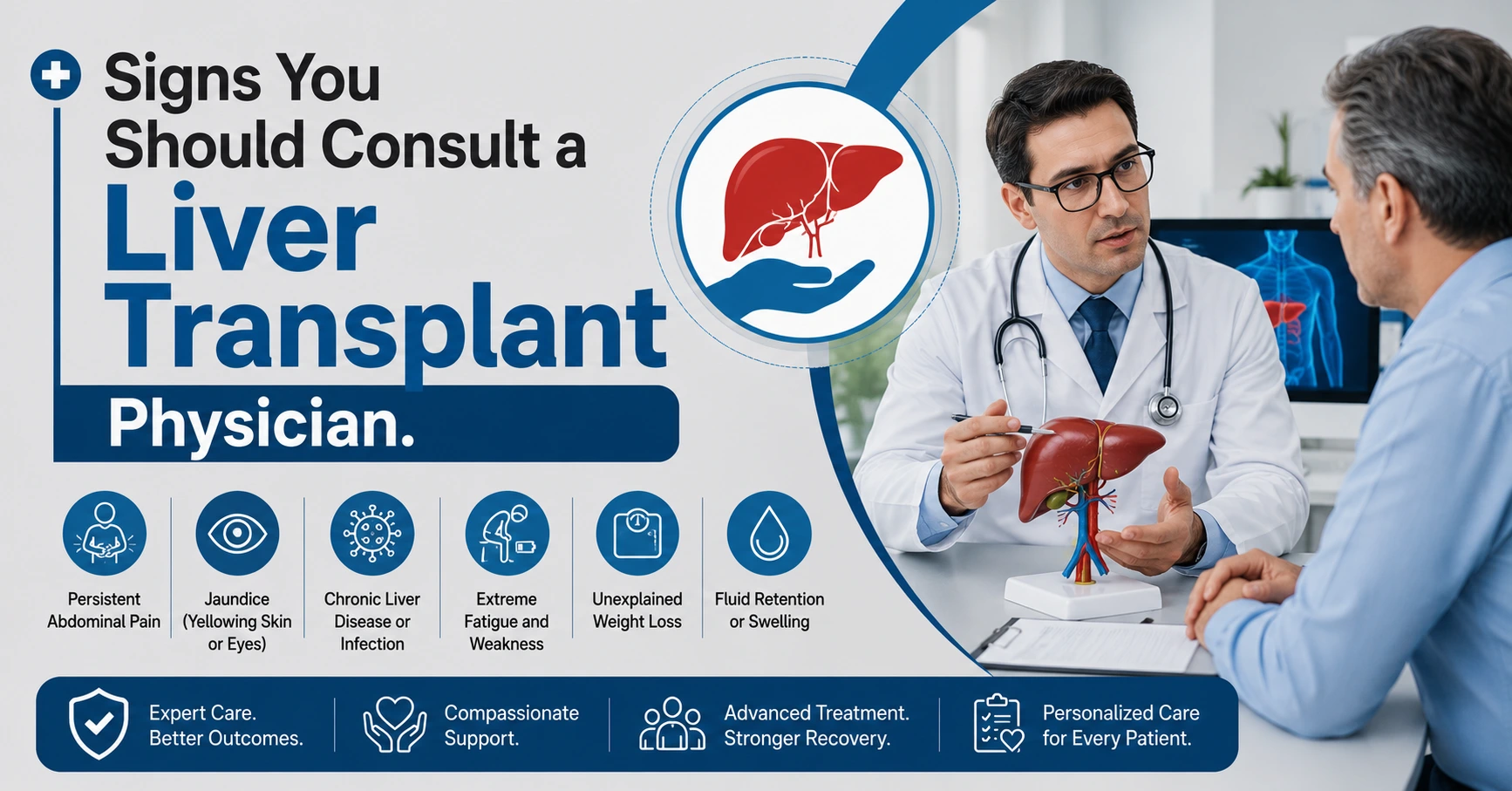
Signs You Should Consult a Liver Transplant Physician in Kochi
The liver is one of the most important organs in the human body, performing hundreds of essential functions including detoxification, metabolism, nutrient storage, digestion support, and immune regulation. When liver health begins to decline, the effects can impact nearly every aspect of overall well-being. Recognizing the signs that indicate the need to consult a liver transplant physician in Kochi can help ensure timely diagnosis, appropriate treatment, and better long-term outcomes for individuals living with liver disease.
Many liver conditions develop gradually and may not cause noticeable symptoms during the early stages. As the disease progresses, however, symptoms can become more severe and significantly affect quality of life. Understanding when to seek specialist care is essential for preventing complications and exploring all available treatment options.
Understanding Liver Disease
Liver disease refers to a wide range of conditions that affect the liver’s ability to function properly. Some conditions are temporary and manageable, while others can progress to chronic liver disease, cirrhosis, liver failure, or the need for liver transplantation.
Common liver conditions include:
- Fatty liver disease
- Non-alcoholic fatty liver disease (NAFLD)
- Alcohol-related liver disease
- Hepatitis B
- Hepatitis C
- Liver cirrhosis
- Autoimmune liver diseases
- Liver failure
- Liver cancer
- Metabolic liver disorders
Early diagnosis and ongoing specialist care play a critical role in managing these conditions effectively.
What Does a Liver Transplant Physician Do?
A liver transplant physician specializes in the diagnosis, management, and treatment of advanced liver diseases. These specialists evaluate patients with chronic liver conditions and determine whether advanced treatment options, including liver transplantation, may be necessary.
A liver transplant physician may assist with:
- Liver disease diagnosis
- Fatty liver management
- Cirrhosis treatment planning
- Liver failure assessment
- Transplant evaluation
- Pre-transplant care
- Post-transplant monitoring
- Long-term liver health management
Their expertise helps patients receive comprehensive care throughout every stage of liver disease.
Why Early Consultation Matters
Many people delay seeking specialist care because symptoms may initially appear mild or nonspecific. Unfortunately, liver disease can continue progressing silently in the background.
Early consultation offers several benefits:
- Earlier diagnosis
- Better disease monitoring
- Improved treatment outcomes
- Reduced risk of complications
- Access to specialized care
- Timely transplant evaluation when necessary
The earlier a liver condition is identified, the greater the opportunity to slow disease progression and preserve liver function.
Sign 1: Persistent Fatigue and Weakness
Chronic fatigue is one of the most common symptoms associated with liver disease.
You may experience:
- Constant tiredness
- Reduced energy levels
- Difficulty completing daily tasks
- Physical weakness
- Lack of stamina
While fatigue can result from many conditions, persistent unexplained exhaustion should not be ignored, especially when accompanied by other symptoms.
Sign 2: Yellowing of the Skin and Eyes (Jaundice)
Jaundice occurs when bilirubin accumulates in the bloodstream due to impaired liver function.
Symptoms include:
- Yellow eyes
- Yellow skin
- Dark urine
- Pale-colored stools
Jaundice often indicates a significant liver problem and requires immediate medical evaluation.
Sign 3: Swelling in the Abdomen or Legs
Advanced liver disease can lead to fluid accumulation in different parts of the body.
Common signs include:
Abdominal Swelling (Ascites)
Fluid buildup in the abdomen may cause:
- Increased abdominal size
- Discomfort
- Pressure sensation
- Difficulty moving comfortably
Leg and Ankle Swelling
Fluid retention may also affect:
- Feet
- Ankles
- Lower legs
Persistent swelling should be assessed by a specialist.
Sign 4: Fatty Liver Disease Diagnosis
Fatty liver disease has become increasingly common due to lifestyle factors, obesity, diabetes, and metabolic conditions.
Many individuals receive a fatty liver diagnosis during routine health screenings.
Although early-stage fatty liver disease may not cause symptoms, specialist consultation is recommended when:
- Liver enzymes remain elevated
- Fat accumulation progresses
- Additional risk factors are present
- Symptoms begin to develop
Proper management can help reduce the risk of progression to cirrhosis.
Sign 5: Chronic Hepatitis B or Hepatitis C
Individuals living with hepatitis B or hepatitis C require ongoing monitoring because these infections can gradually damage the liver over time.
Specialist evaluation helps:
- Assess liver function
- Monitor disease progression
- Identify complications
- Develop appropriate treatment strategies
Regular follow-up is essential even when symptoms are absent.
Sign 6: Unexplained Weight Loss
Unexpected weight loss can sometimes indicate advanced liver disease.
Potential warning signs include:
- Reduced appetite
- Muscle loss
- General weakness
- Nutritional deficiencies
When unexplained weight changes occur alongside other symptoms, professional evaluation is important.
Sign 7: Persistent Digestive Problems
The liver plays a major role in digestion and metabolism.
Liver-related digestive symptoms may include:
- Nausea
- Loss of appetite
- Abdominal discomfort
- Indigestion
- Feeling full quickly
Persistent digestive issues should not be overlooked, particularly in individuals with known liver disease risk factors.
Sign 8: Easy Bruising and Bleeding
The liver helps produce proteins involved in blood clotting.
When liver function declines, individuals may notice:
- Easy bruising
- Frequent nosebleeds
- Prolonged bleeding
- Increased sensitivity to minor injuries
These symptoms may indicate impaired liver function and require specialist assessment.
Sign 9: Liver Cirrhosis Diagnosis
Cirrhosis occurs when healthy liver tissue is gradually replaced by scar tissue.
Common causes include:
- Chronic hepatitis
- Fatty liver disease
- Alcohol-related liver damage
- Autoimmune conditions
Patients diagnosed with cirrhosis should be evaluated by a liver specialist to determine disease severity and develop a long-term management plan.
Sign 10: Confusion or Memory Problems
Advanced liver disease may affect brain function through a condition known as hepatic encephalopathy.
Symptoms may include:
- Confusion
- Memory difficulties
- Poor concentration
- Personality changes
- Sleep disturbances
These symptoms require immediate medical attention.
Sign 11: Family History of Liver Disease
Certain liver conditions have hereditary or genetic components.
Individuals with a family history of:
- Liver disease
- Metabolic disorders
- Liver cancer
- Genetic liver conditions
may benefit from regular specialist evaluation and preventive screening.
Sign 12: You Have Been Advised to Consider Liver Transplant Evaluation
A transplant evaluation does not necessarily mean a transplant is immediately required.
Instead, it allows specialists to:
- Assess liver function
- Determine disease severity
- Evaluate treatment options
- Identify transplant eligibility if necessary
Early evaluation often provides more opportunities for planning and medical management.
Conditions Commonly Managed by Liver Transplant Physicians
Fatty Liver Disease
One of the fastest-growing liver health concerns worldwide.
Liver Cirrhosis
Requires specialized monitoring and treatment planning.
Hepatitis B and Hepatitis C
Long-term management is essential to prevent complications.
Autoimmune Liver Diseases
These conditions often require expert care and ongoing monitoring.
Liver Failure
Advanced liver disease may require specialized treatment and transplant evaluation.
Liver Cancer
Early diagnosis and multidisciplinary management improve treatment outcomes.
Why Patients in Kochi Seek Specialist Liver Care
Kochi has become a leading healthcare destination in Kerala, offering access to advanced liver disease management and transplant services.
Patients from:
- Kochi
- Ernakulam
- Aluva
- Kakkanad
- Thrippunithura
- Kottayam
- Thrissur
- Malappuram
- Palakkad
- Kannur
often seek specialist care for complex liver conditions and transplant evaluation.
What Happens During a Liver Specialist Consultation?
A comprehensive evaluation may include:
Medical History Review
Understanding symptoms, lifestyle factors, and previous medical conditions.
Physical Examination
Assessment of visible signs of liver disease.
Blood Tests
Evaluation of liver function and disease markers.
Imaging Studies
Ultrasound, CT scans, or MRI may be recommended when necessary.
Treatment Planning
Development of a personalized management strategy based on individual needs.
Importance of Ongoing Liver Monitoring
Even when symptoms appear stable, ongoing monitoring helps:
- Track disease progression
- Adjust treatment plans
- Detect complications early
- Improve long-term outcomes
Regular follow-up is especially important for patients with chronic liver disease.
Conclusion
Liver disease can progress silently for years before causing noticeable symptoms. Persistent fatigue, jaundice, swelling, digestive problems, unexplained weight loss, fatty liver disease, hepatitis infections, cirrhosis, and other warning signs should never be ignored. Seeking timely care from a liver transplant physician in Kochi can help ensure accurate diagnosis, appropriate treatment, and access to advanced liver care when needed.
Whether you are managing fatty liver disease, chronic hepatitis, cirrhosis, liver failure, or other liver-related concerns, early specialist consultation provides valuable opportunities for intervention and long-term health management. Recognizing the warning signs and acting promptly can make a significant difference in preserving liver function and improving quality of life.
Frequently Asked Questions
When should I consult a liver transplant physician in Kochi?
You should consult a liver transplant physician if you experience symptoms such as jaundice, abdominal swelling, chronic fatigue, fatty liver disease progression, cirrhosis, hepatitis infections, or liver failure concerns.
What does a liver transplant physician do?
A liver transplant physician specializes in diagnosing and managing advanced liver diseases, evaluating transplant eligibility, and providing pre- and post-transplant care.
Is fatty liver disease serious?
Fatty liver disease can progress to inflammation, fibrosis, cirrhosis, and liver failure if left unmanaged. Early evaluation and monitoring are important.
What are the warning signs of advanced liver disease?
Common warning signs include jaundice, abdominal swelling, leg swelling, unexplained weight loss, easy bruising, confusion, and severe fatigue.
Can hepatitis lead to liver transplantation?
Chronic hepatitis B and hepatitis C can cause liver damage over time and may lead to cirrhosis or liver failure in some cases.
Does every patient with cirrhosis need a liver transplant?
No. Many patients with cirrhosis can be managed through medical treatment and monitoring. A specialist can determine whether transplant evaluation is necessary.
How is liver disease diagnosed?
Diagnosis may involve blood tests, imaging studies, medical history evaluation, physical examination, and additional specialized investigations.
Why is early liver disease detection important?
Early diagnosis allows timely treatment, reduces complications, slows disease progression, and improves long-term outcomes.