Obesity and Liver Insights from Kochi Session
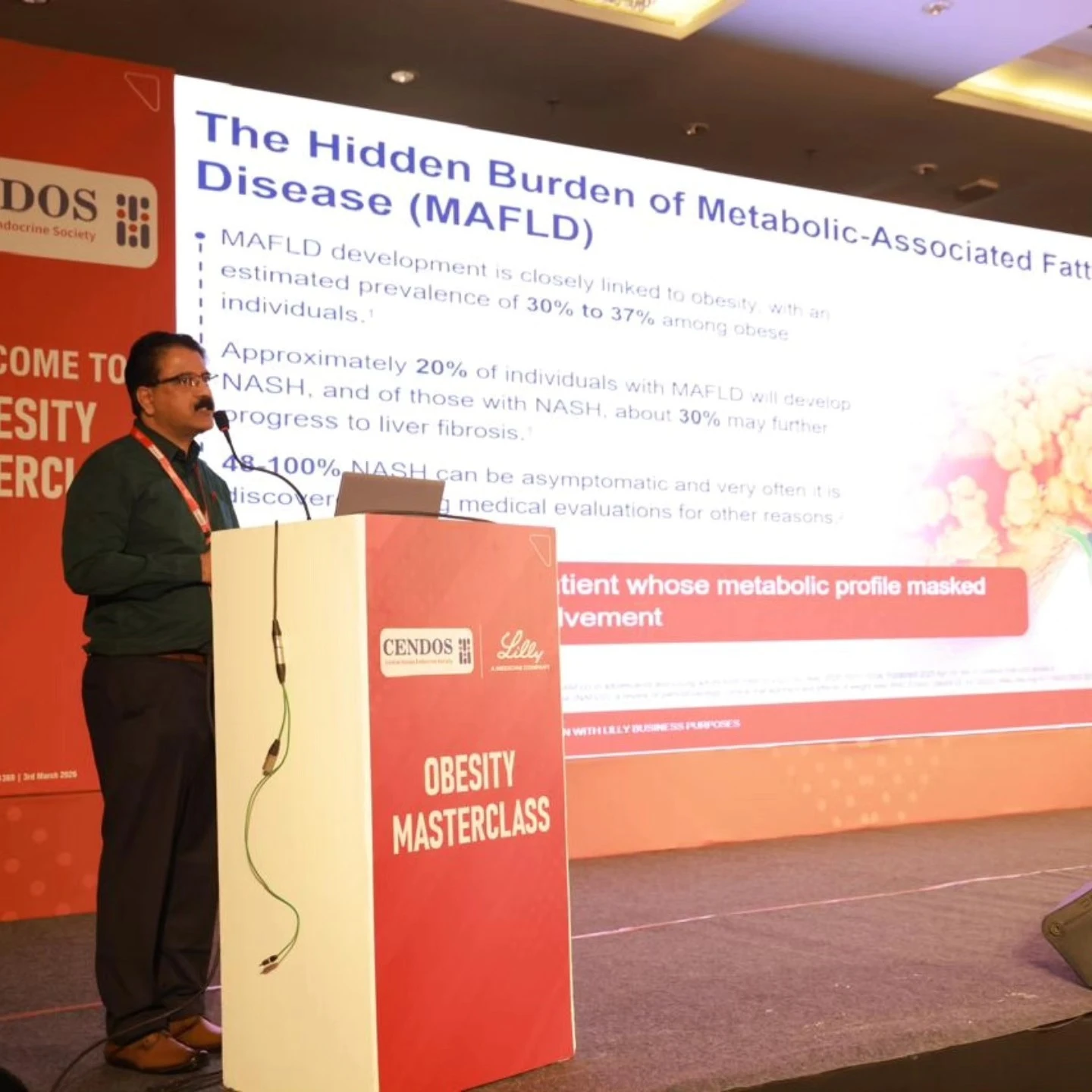
On 10th March, an engaging academic session in Kochi focused on the deeper connection between obesity and liver health. Obesity is not merely a mechanical accumulation of fat tissue; it represents a complex process involving inflammation and immunomodulation, with the liver often becoming significantly affected.
The session highlighted these critical insights, encouraging a broader understanding of metabolic health and liver involvement.
Sincere thanks to CENDOS (Central Kerala Endocrine Society) for the kind invitation and for hosting this meaningful learning experience.
What this means for patients
Fatty liver disease linked to metabolism (MASLD) is now the most common liver condition worldwide. It is closely tied to excess weight, especially fat around the waist, as well as type 2 diabetes, high blood pressure and abnormal cholesterol. In India it is also common in people who do not look overweight but carry fat around the abdomen.
Fat tissue is not just stored energy. It releases fatty acids and inflammatory signals that reach the liver. Over time this can lead to fat build-up, inflammation (MASH), scarring (fibrosis) and, in some people, cirrhosis or liver cancer.
Fatty liver usually causes no symptoms and is often found by chance on an ultrasound or on routine liver function tests. Practical steps that help:
- gradual weight loss of about 7–10% of body weight if you are overweight;
- fewer refined carbohydrates and sugary drinks, and more vegetables, pulses and whole grains;
- regular physical activity, ideally around 150 minutes a week;
- good control of diabetes, blood pressure and cholesterol;
- limiting or avoiding alcohol.
A FibroScan can show whether there is scarring that needs closer follow-up.