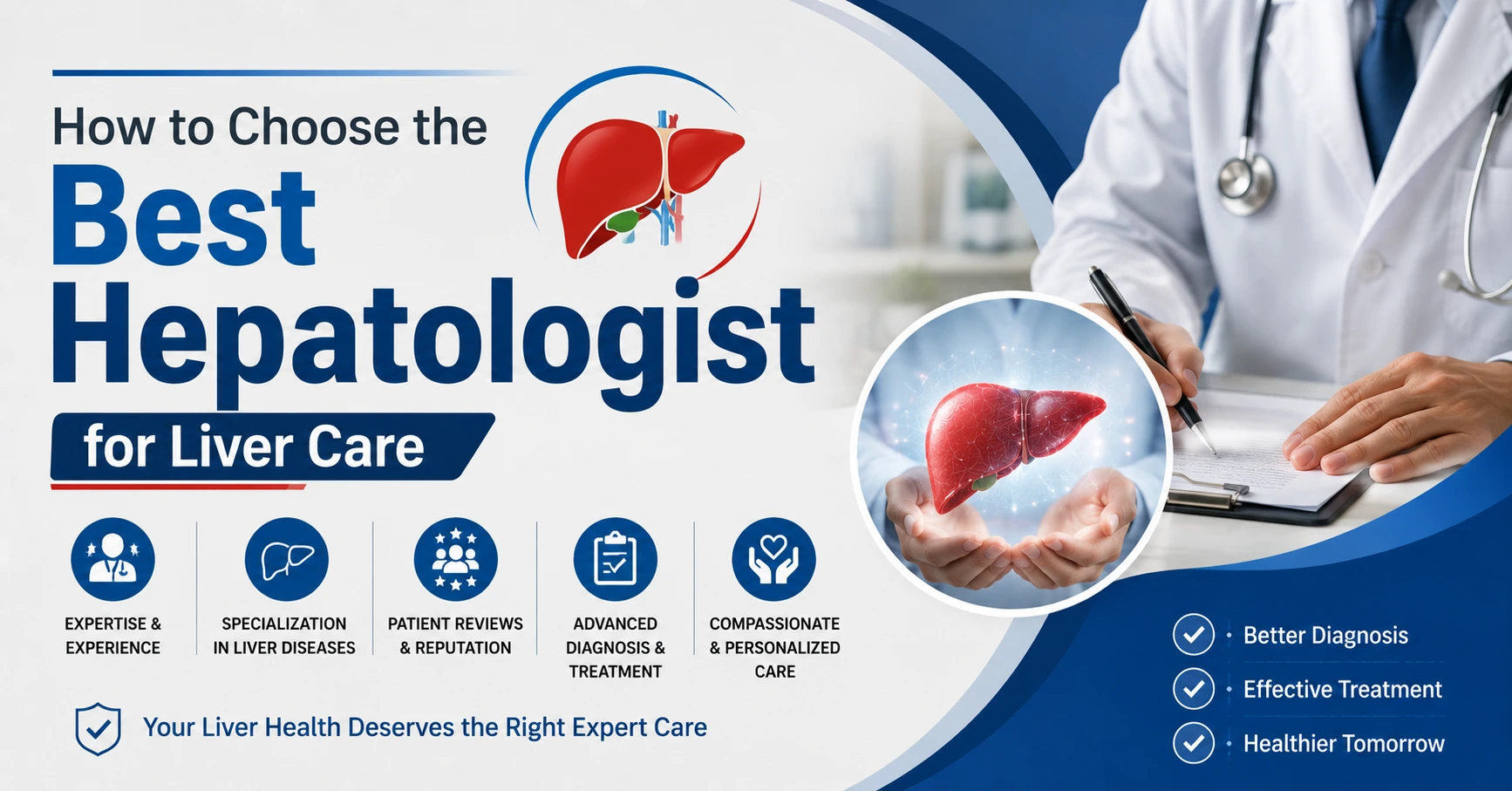
How to Choose the Best Hepatologist in Kochi for Liver Care
The liver is one of the body’s most vital organs, performing hundreds of essential functions, including filtering toxins, producing bile, storing nutrients, regulating metabolism, and supporting immunity. When liver health is compromised, timely diagnosis and expert medical care become critical. Choosing the right hepatologist can make a significant difference in early detection, treatment outcomes, and long-term liver health.
Whether you’re experiencing persistent digestive symptoms, have abnormal liver function tests, or are managing chronic liver disease, finding an experienced hepatologist in Kochi is an important step toward better health.
For patients seeking specialized liver care in Kochi, consulting an experienced liver specialist such as Dr. Harikumar R. Nair, a senior hepatologist with expertise in liver diseases, advanced endoscopy, and gastrointestinal disorders, can help ensure accurate diagnosis and evidence-based treatment.
This comprehensive guide explains how to choose the best hepatologist in Kochi, what qualifications to look for, when to consult a liver specialist, and the key factors that influence quality liver care.
What Is a Hepatologist?
A hepatologist is a medical specialist who diagnoses, treats, and manages diseases affecting the:
- Liver
- Gallbladder
- Bile ducts
- Pancreas
Many hepatologists also specialize in advanced gastroenterology and digestive diseases.
They manage both acute and chronic liver conditions while working closely with radiologists, surgeons, oncologists, nutritionists, and transplant teams when necessary.
Why Choosing the Right Hepatologist Matters
Liver diseases often develop silently.
Many patients experience no symptoms until significant liver damage has already occurred.
An experienced hepatologist helps:
- Detect liver disease early
- Interpret abnormal liver function tests accurately
- Identify the underlying cause
- Recommend appropriate imaging and investigations
- Prevent disease progression
- Reduce complications
- Improve long-term quality of life
Early specialist consultation often leads to better treatment outcomes.
When Should You See a Hepatologist?
Many people wait too long before consulting a liver specialist.
Consider seeing a hepatologist if you experience:
Persistent Symptoms
- Fatigue
- Loss of appetite
- Unexplained weight loss
- Nausea
- Abdominal pain
- Swelling in the abdomen
- Persistent itching
- Yellowing of the eyes or skin (jaundice)
Abnormal Test Results
Consult a liver specialist if blood tests show:
- Elevated liver enzymes
- Fatty liver changes
- Abnormal bilirubin
- High liver function test values
Chronic Liver Conditions
Seek expert care if diagnosed with:
- Fatty liver disease
- Hepatitis B
- Hepatitis C
- Alcohol-related liver disease
- Cirrhosis
- Autoimmune liver disease
- Liver cysts
- Liver fibrosis
- Liver tumors
Qualities of the Best Hepatologist in Kochi
1. Specialized Experience in Liver Diseases
Choose a doctor whose primary expertise includes:
- Liver disorders
- Hepatitis management
- Fatty liver disease
- Cirrhosis
- Liver cancer screening
- Advanced liver diagnostics
Extensive clinical experience often contributes to better decision-making in complex cases.
2. Strong Educational Background
Look for specialists with advanced training in:
- Gastroenterology
- Hepatology
- Digestive diseases
- Advanced therapeutic endoscopy
Continuous medical education ensures the doctor stays updated with evolving treatment guidelines.
3. Expertise in Advanced Diagnostic Procedures
Modern liver care relies on accurate diagnosis.
A skilled hepatologist should be experienced in:
- Upper GI endoscopy
- Colonoscopy
- ERCP
- Endoscopic ultrasound (where applicable)
- Liver biopsy
- FibroScan interpretation
- Ultrasound-guided evaluation
Early diagnosis allows treatment before irreversible liver damage occurs.
4. Comprehensive Treatment Approach
Liver diseases often require long-term management rather than a single consultation.
Choose a hepatologist who focuses on:
- Lifestyle modification
- Nutrition counseling
- Medication management
- Regular monitoring
- Preventive care
- Follow-up planning
A patient-centered approach improves long-term outcomes.
Common Liver Diseases Treated by Hepatologists
A qualified liver specialist manages a wide range of conditions, including:
Fatty Liver Disease
One of the fastest-growing liver conditions worldwide.
Risk factors include:
- Obesity
- Diabetes
- High cholesterol
- Sedentary lifestyle
- Poor dietary habits
Early treatment often includes weight management, exercise, and metabolic control.
Viral Hepatitis
Includes:
- Hepatitis A
- Hepatitis B
- Hepatitis C
Early diagnosis helps prevent liver fibrosis and cirrhosis.
Liver Cirrhosis
Cirrhosis occurs when healthy liver tissue is replaced by scar tissue.
Symptoms may include:
- Swollen legs
- Ascites
- Jaundice
- Confusion
- Easy bruising
Regular monitoring is essential.
Alcohol-Related Liver Disease
Long-term alcohol consumption may cause:
- Fatty liver
- Alcoholic hepatitis
- Cirrhosis
Early intervention can significantly improve prognosis.
Autoimmune Liver Disease
These conditions occur when the immune system attacks liver tissue.
Examples include:
- Autoimmune hepatitis
- Primary biliary cholangitis
- Primary sclerosing cholangitis
Specialized management is necessary.
Liver Cancer Screening
Patients with cirrhosis or chronic hepatitis require regular screening for liver cancer.
Early detection greatly improves treatment options.
Importance of Modern Diagnostic Facilities
When selecting a hepatologist, consider access to advanced diagnostic services.
These may include:
- Liver function tests
- Ultrasound
- CT scan
- MRI
- FibroScan
- Endoscopy
- Colonoscopy
- ERCP
- Biopsy
Comprehensive diagnostic support enables faster and more accurate treatment planning.
Questions to Ask Before Choosing a Hepatologist
Before your first consultation, consider asking:
- What is causing my liver condition?
- Do I need additional tests?
- Is my liver disease reversible?
- What treatment options are available?
- How often should I have follow-up appointments?
- What dietary changes should I make?
- Should I avoid alcohol completely?
- Can exercise improve my liver health?
These questions help patients understand their condition and treatment plan.
The Role of Lifestyle in Liver Health
Medical treatment works best when combined with healthy habits.
Your hepatologist may recommend:
Healthy Diet
Choose foods rich in:
- Vegetables
- Fruits
- Whole grains
- Lean protein
- Healthy fats
Limit:
- Sugary drinks
- Processed foods
- Fried foods
- Excess salt
Regular Exercise
Aim for at least:
- 150 minutes of moderate physical activity each week
Exercise helps reduce liver fat and improve metabolic health.
Weight Management
Even a modest reduction in body weight can improve fatty liver disease in many patients.
Avoid Excessive Alcohol
Reducing or avoiding alcohol helps protect the liver from further damage.
Vaccination
Vaccination against Hepatitis A and Hepatitis B may be recommended for eligible individuals.
Why Early Diagnosis Matters
Many liver diseases progress silently.
Early diagnosis can:
- Prevent permanent liver damage
- Improve treatment success
- Reduce complications
- Delay disease progression
- Improve survival
Routine health checkups are especially important for people with diabetes, obesity, high cholesterol, or a family history of liver disease.
Why Experience Matters in Liver Care
Choosing an experienced hepatologist provides several advantages:
- Accurate diagnosis
- Personalized treatment plans
- Access to advanced procedures
- Better management of complex liver diseases
- Long-term follow-up care
- Multidisciplinary treatment coordination
Patients often benefit from doctors who have managed a broad spectrum of liver disorders across many years of clinical practice.
Why Many Patients Choose Dr. Harikumar R. Nair
For patients seeking expert liver care in Kochi, Dr. Harikumar R. Nair is recognized for his experience in hepatology, gastroenterology, and advanced digestive care.
His clinical expertise includes:
- Fatty liver disease management
- Hepatitis treatment
- Cirrhosis care
- Liver disease evaluation
- Digestive disorders
- Therapeutic endoscopy
- Colonoscopy
- Preventive gastrointestinal care
Patients appreciate a comprehensive, evidence-based approach that emphasizes accurate diagnosis, individualized treatment plans, and long-term follow-up.
Frequently Asked Questions
Who is a hepatologist?
A hepatologist is a specialist who diagnoses and treats diseases of the liver, gallbladder, bile ducts, and pancreas.
Should I see a hepatologist for fatty liver?
Yes. If fatty liver is confirmed on imaging or liver tests are abnormal, a hepatologist can determine the severity and recommend appropriate treatment and lifestyle changes.
Can liver disease be cured?
Some liver conditions are reversible when detected early, while others require long-term management. The outcome depends on the underlying cause and stage of the disease.
What tests are commonly used to diagnose liver disease?
Diagnosis may include liver function tests, ultrasound, FibroScan, CT scan, MRI, endoscopy, and, in selected cases, liver biopsy.
How often should patients with chronic liver disease have follow-ups?
The frequency depends on the diagnosis and severity of the condition. Your hepatologist will recommend a personalized follow-up schedule.
Conclusion
Choosing the best hepatologist in Kochi involves more than selecting a doctor based on location or availability. Look for specialized experience, advanced diagnostic expertise, patient-focused care, and a comprehensive approach to managing liver diseases.
Whether you are dealing with fatty liver disease, viral hepatitis, cirrhosis, or unexplained abnormal liver tests, early consultation with an experienced liver specialist can improve diagnosis, treatment, and long-term outcomes.
If you are looking for expert liver care in Kochi, consulting an experienced hepatologist such as Dr. Harikumar R. Nair can provide the guidance and treatment needed to protect your liver health and overall well-being.